
When I first stumbled into Miraland, my closet overflowed with delicate lace, shimmering silk, and the occasional neon alien sundress. Infinity Nikki is a game that showers you with garments—some profound, some duplicates you barely remember pulling. I’d open my inventory expecting a button labeled “recycle,” only to find none. Instead, I discovered a peculiar kind of magic: the game silently, automatically, transmutes your duplicate clothing into two types of currency while you’re busy collecting Whimstars. It’s as if every redundant blouse and cap is a fallen star in a hidden nebula, instantly liquified into either a rare golden ichor or a steady trickle of silver dew. No manual sacrifice, no sell menu. The system is so seamless it feels like your wardrobe has a ghostly accountant that really understands fashion alchemy.

Understanding this automatic recycling loop is crucial because the game itself remains politely mute on the mechanics. I had to squint at currency balances, trace my gacha history, and eventually piece together the quiet sorcery. Here’s how it works. Whenever you pull an item you already own—whether from a resonance banner or a surprise gift—the game instantly converts it into either Surging Ebb or Tranquility Droplets. The currency you receive depends entirely on the star rating of the duplicate. A 5-star duplicate, a creature as rare as a pearl within a pearl, awards Surging Ebb. A 4-star or lower duplicate gifts you Tranquility Droplets, which accumulate like raindrops in a well. You don’t lift a finger. The system is a frictionless centrifuge: spin in the gacha, and the results automatically separate into the raw elements that keep your styling engine running.
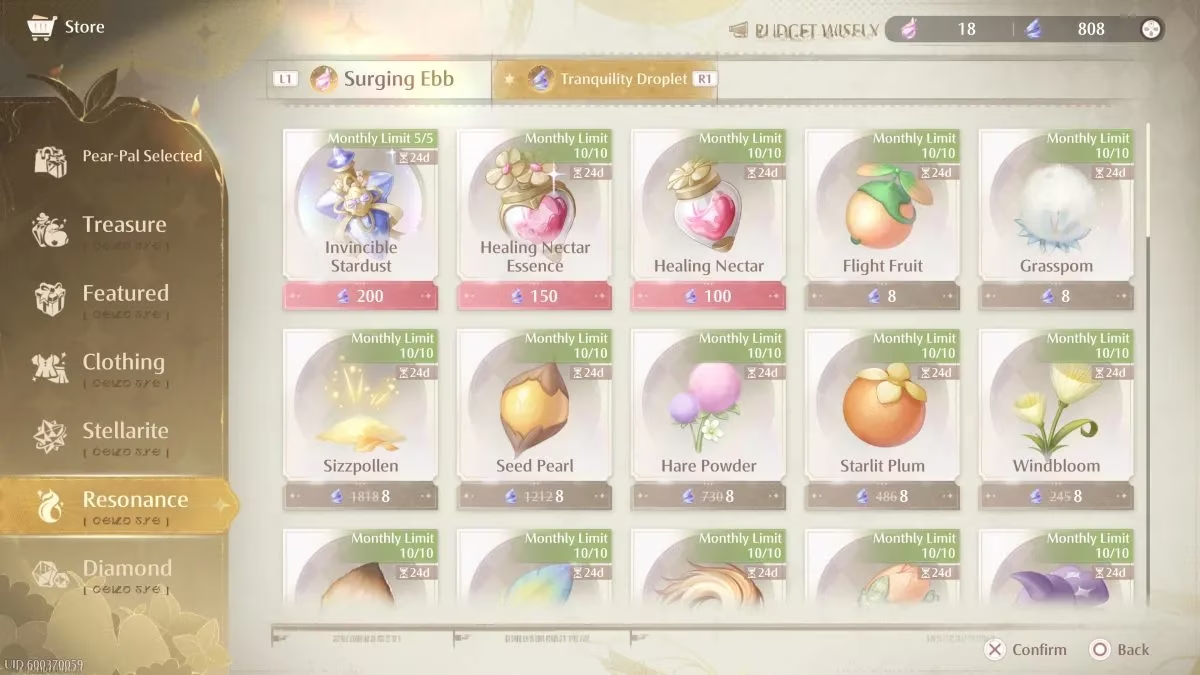
Once you’ve amassed these currencies, you navigate to the in-game store—specifically the Resonance tab—where they unlock a menu that feels a bit like trading stardust at a celestial bazaar. Surging Ebb, being the rarer currency, sits in a privileged corner of the shop. You can exchange it for precious crafting materials, Threads of Purity needed for upgrading outfits, or even Resonance Crystals to pull more clothing. It’s a neat feedback loop: your 5-star duplicates become a direct ticket back into the gacha. Tranquility Droplets, while less glamorous, are the backbone of your daily shopping list. You’ll spend them on Bling, evolution materials, and more Threads of Purity. The store is always open, and because duplicates recycle automatically, you’ll often find your Droplet count silently bloating after a late-night pulling session.
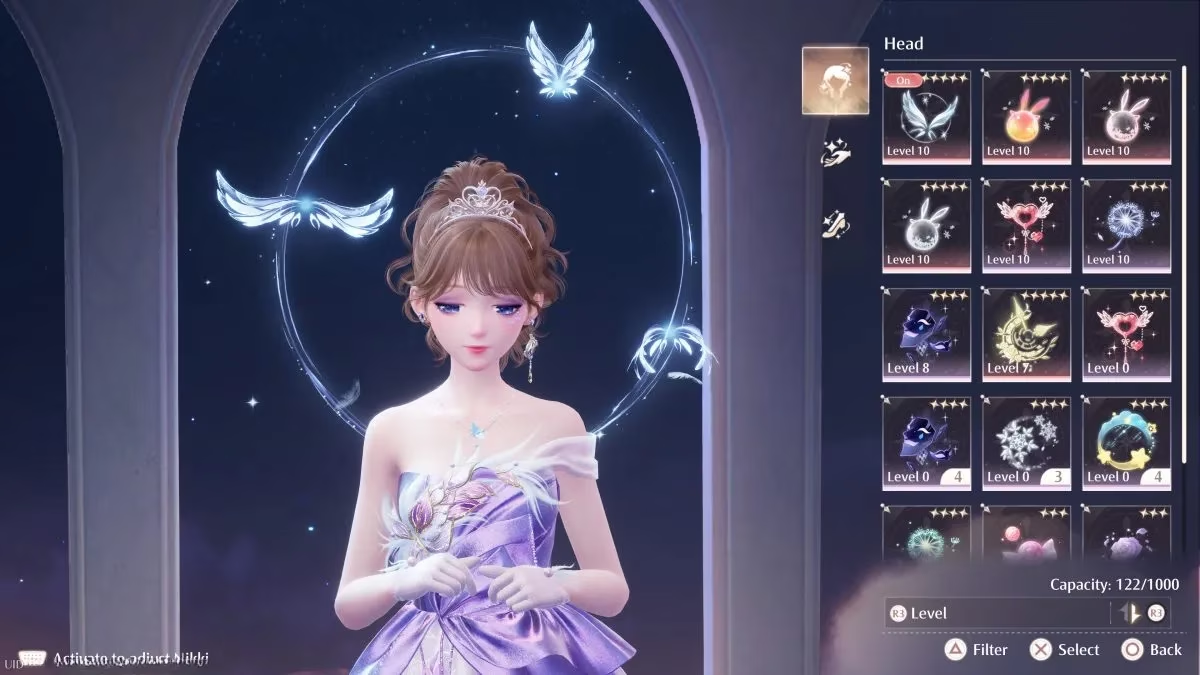
There is one elegant exception to this seamless loop: Eureka items—the floating accessories that orbit Nikki like sentient jewelry. For these, you do hold onto duplicates, and you can deliberately sacrifice them in a separate menu to level up other Eureka. This manual sacrifice feels like a deliberate contrast: it’s as if the game trusts you to curate your own constellation of power, while the clothing recycling remains handled by an invisible seamstress who never sleeps.
Having played many gacha titles that turn duplicate units into shards or sparks, I find Infinity Nikki’s approach both a relief and a quiet puzzle. On one hand, removing the need to manually recycle 3-star socks and 4-star hats reduces cognitive load dramatically—it’s a gentle nudge to let go and focus on styling. On the other, the lack of transparency can leave new players wondering where those random currency drops came from. The game treats its recycling like a biological process: you breathe in banners, and your account exhales Surging Ebb and Tranquility Droplets without a prompt. I’ve come to appreciate this as a poetic form of inventory management, where the past life of a duplicate dress is reincarnated into a future pull, much like a silkworm spinning silk from mulberry leaves into something entirely new.
For efficiency-minded Stylists, I recommend keeping a gentle eye on your Tranquility Droplet count. Because they’re earned from 4-star and below duplicates, they accumulate at a steady pace—often enough to regularly purchase the monthly Resonance Crystal limit in the store. Surging Ebb, however, is a true treasure horde: you might go weeks without seeing a single point unless you’re heavily investing in 5-star banners. When you do get it, prioritize exchanging it for Resonance Crystals or limited materials that align with your current outfit goals. Over time, this invisible recycling rhythm becomes a metronome of your progression. It’s a system that rewards patience: every duplicate is a silent investment, not clutter.
As of 2026, Infinity Nikki continues to evolve with new regions and ever more elaborate outfits, yet the core recycling mechanic remains unchanged. It’s a testament to the game’s philosophy: fashion should feel effortless, even in its economics. The wardrobe may overflow with memories, but the game gently lifts the duplicate burden off your shoulders, converting the excess into a currency of dreams. If you’re just starting your journey—available for free on Android, iOS, PS5, and PC—know that you never need to hunt for a recycle button. Instead, trust the quiet alchemy. Your extra lace gloves and those third copies of a fairy bracelet are always working for you, becoming the invisible threads that stitch your next masterpiece.